Your code scanning github integration blocks merges on findings that turn out to be false positives, so the first frustrated engineer disables the check and suddenly your entire PR gate is gone. This happens because most scanners treat a flagged pattern as a confirmed vulnerability without validating whether the code path is reachable or whether your auth layer already prevents exploitation. When your engineering team can't trust the findings, they stop acting on them, and at that point you're running a security program that generates reports nobody reads. The question worth asking isn't whether your scanner finds vulnerabilities, it's whether it finds the right ones with enough context for your team to act.
TLDR:
- Code scanning finds vulnerabilities in source code, dependencies, and infrastructure before production
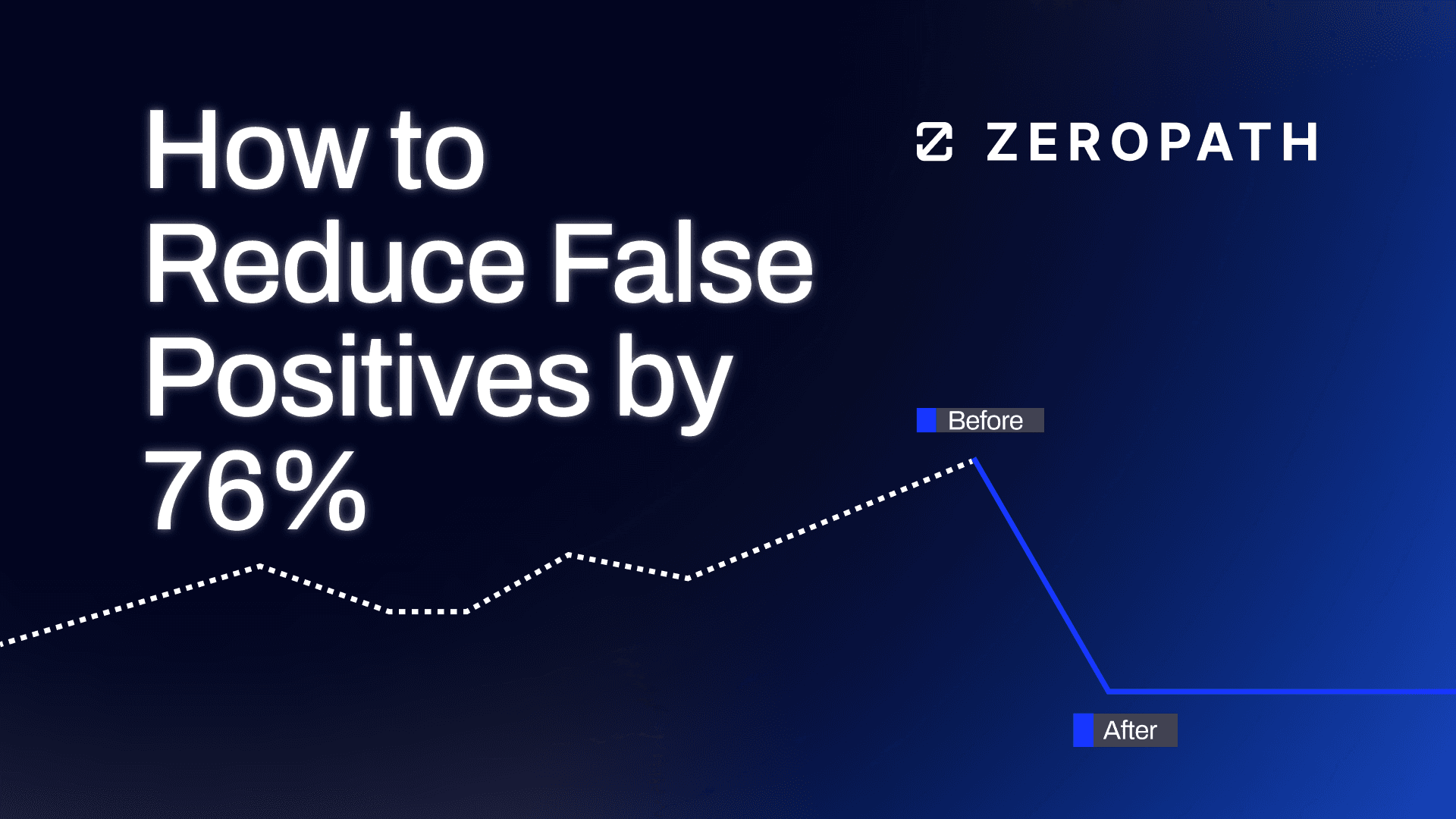
- Traditional tools generate 40%+ false positives; AI validation cuts this to under 20%
- SAST catches code flaws, SCA finds dependency CVEs, secrets scanning prevents credential leaks
- PR scanning blocks new vulnerabilities before merge; full scans show existing risk
- ZeroPath delivers 75% fewer false positives with AI validation and auto-generated patches
What Is Code Scanning
Code scanning is the automated analysis of source code, dependencies, and infrastructure configurations to find security vulnerabilities before they reach production. You catch it at the source instead of waiting for a breach to reveal what broke.
For security leaders, the scope matters more than the definition. Code scanning spans static analysis of application code, scanning open source dependencies for known CVEs, detecting leaked secrets and credentials, and checking infrastructure-as-code for misconfigurations. A mature program covers all of these surfaces.
Vulnerabilities found in development cost a fraction of what they cost post-deployment. That gap widens when you factor in breach response, regulatory exposure, and reputational damage.
The real problem today is signal-to-noise. Traditional tools flood teams with findings, most false positives. Alert fatigue follows. The question worth asking any vendor is not "does this find vulnerabilities?" but "does it find the right ones, with enough context for developers to act?" AI-native tools answer exactly that.
How Code Scanning Works in Application Security
Most code scanning tools operate on the same basic principle: take code, run it against a ruleset, flag matches. Pattern matching against known vulnerability signatures. Fast, deterministic, and prone to surfacing half your codebase as "critical" when most findings aren't exploitable.
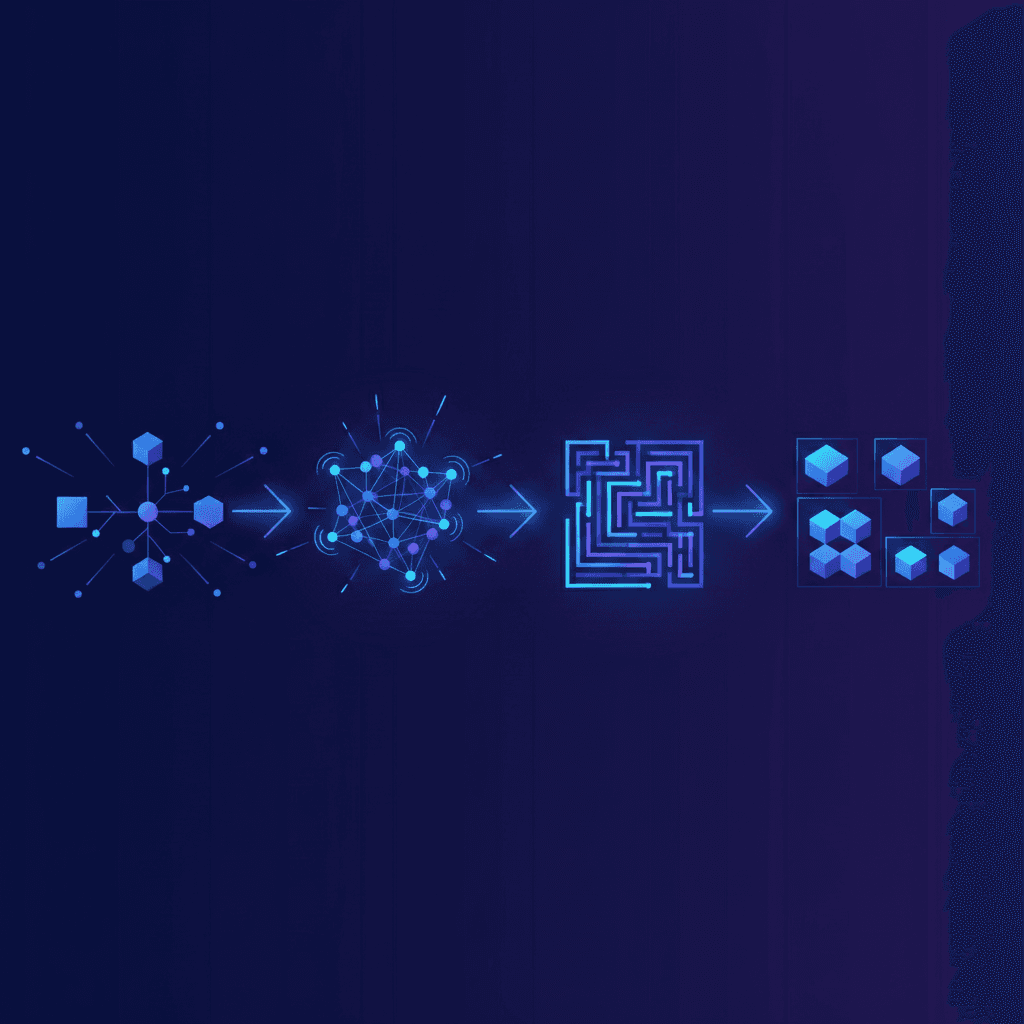
The workflow is fairly consistent across tools. Code gets checked out, an analysis engine parses the abstract syntax tree or control flow graph, rules fire against identified patterns, and results get written to a report. For secrets scanning, that means regex patterns against known credential formats. For dependency scanning, it means matching package versions against CVE databases.
Where tools diverge is what happens after that initial pass. Traditional scanners stop there.
More capable approaches treat the first pass as a starting point, adding a secondary validation stage that checks whether a flagged code path is actually reachable and whether existing sanitization layers neutralize the risk. An injection finding behind an auth gateway that validates all inputs is fundamentally different from one exposed directly to user-controlled data.
The most meaningful evolution is application-awareness: knowing which service owns a finding, what the authentication boundary looks like, and how data actually flows through the system. Without that context, you're sorting noise.
Types of Code Scanning Approaches
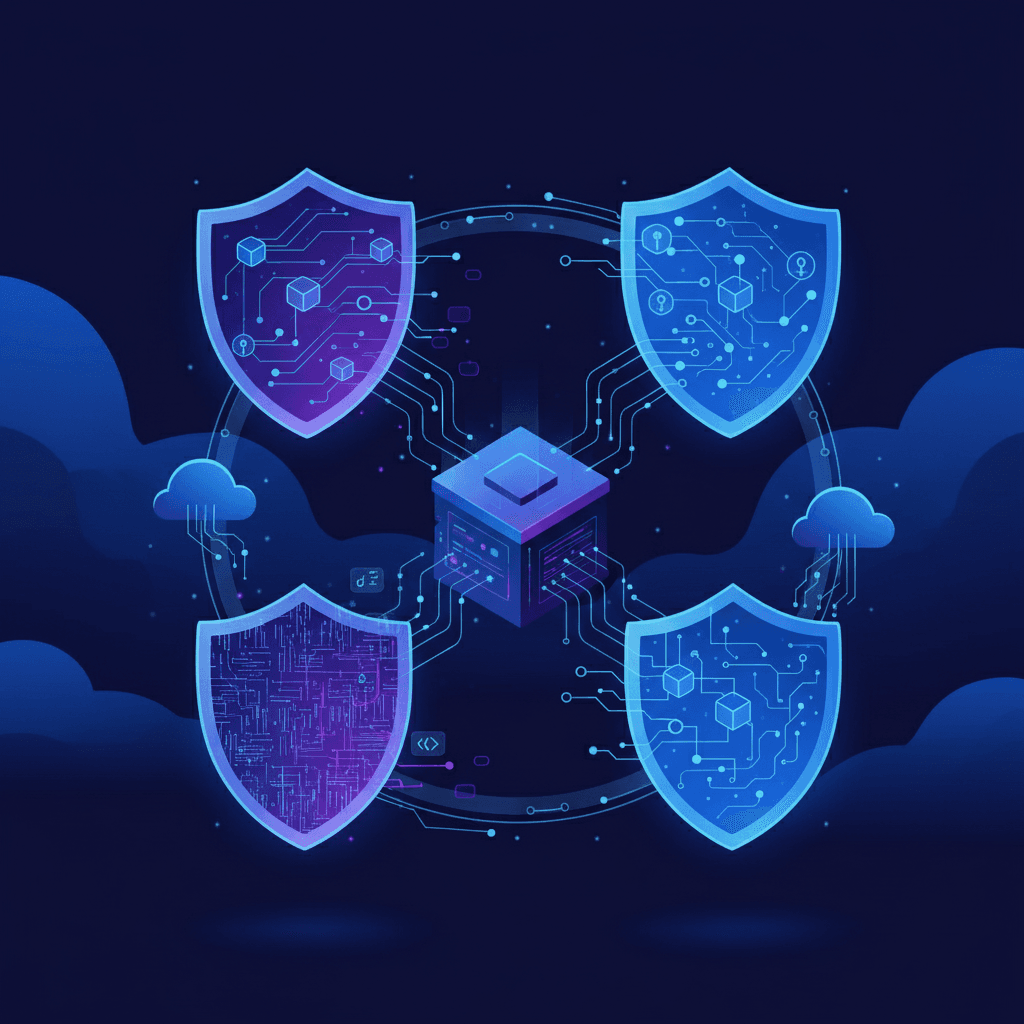
Four distinct approaches exist, and each catches different things. Treating them as interchangeable is how programs develop blind spots.
SAST (Static Application Security Testing)
AI SAST analyzes source code without executing it. Catches injection flaws, authentication gaps, business logic vulnerabilities, and insecure patterns at the file and function level. Runs early in the pipeline, ideally on every commit or PR. Best for catching developer-introduced vulnerabilities before they compound.
SCA (Software Composition Analysis)
Scans your dependency tree against known CVE databases. The average production application pulls in hundreds of third-party packages, many with transitive dependencies you never explicitly chose. SCA tells you which ones are vulnerable and whether those vulnerable code paths are actually reachable in your context.
DAST (Runtime Application Security Testing)
Tests running applications by simulating attacks against exposed endpoints. Finds runtime vulnerabilities that static analysis misses, like misconfigured headers and authentication bypasses only visible under real traffic. Runs later in the lifecycle, typically in staging.
IAST (Interactive Application Security Testing)
Instruments the application at runtime, monitoring behavior as tests execute. Surfaces only findings triggered by actual code execution. Slower to deploy than static approaches, but useful for complex enterprise applications with extensive test suites.
The practical question is sequencing. SAST and SCA belong in CI/CD. DAST belongs in pre-production. IAST makes sense when you have the test coverage to support it. Running all four means knowing which surface each covers and making sure none go unaddressed.
Scanning Type | When It Runs | What It Catches | Deployment Phase | Key Trade-offs |
|---|---|---|---|---|
SAST (Static Application Security Testing) | Every commit or PR, pre-compilation | Injection flaws, authentication gaps, business logic vulnerabilities, insecure coding patterns in source code | Development (CI/CD pipeline) | Fast feedback but prone to false positives without AI validation; cannot detect runtime-only issues |
SCA (Software Composition Analysis) | When dependency manifests or lockfiles change | Known CVEs in direct and transitive dependencies, license compliance violations, outdated packages | Development (CI/CD pipeline) | Reachability analysis required to avoid alert fatigue; only effective if you actually patch vulnerable dependencies |
DAST (Runtime Application Security Testing) | Against running applications in staging environments | Runtime vulnerabilities, authentication bypasses, misconfigured headers, session management flaws | Pre-production (staging/QA) | Finds real exploitable issues but runs late in lifecycle; requires deployed environment and increased scan time |
IAST (Interactive Application Security Testing) | During test execution with runtime instrumentation | Vulnerabilities triggered by actual code execution paths during functional testing | Testing phase (with existing test suites) | High accuracy for covered code paths but requires mature test coverage; deployment complexity higher than static approaches |
Critical Vulnerabilities Code Scanning Detects
83% of applications surface at least one security issue during initial assessment. That number should inform how you scope your scanning program from day one.
The vulnerability classes worth organizing around (many documented in the OWASP Top 10):
- Injection flaws (SQL, command, LDAP, template injection) where user-controlled data reaches an interpreter without validation
- Broken authentication and session handling, including weak token generation, fixation bugs, and missing auth checks on sensitive endpoints
- Authorization failures: broken access control, IDOR, and privilege escalation paths that let users reach data they shouldn't
- Business logic vulnerabilities like race conditions, workflow bypasses, and state manipulation that pattern-matching tools miss entirely
- Secrets and credentials committed to source: API keys, database URIs, OAuth tokens
- Infrastructure misconfigurations: overpermissive IAM policies, unencrypted storage, containers running as root
The last two categories catch security leaders off guard most often. Hardcoded credentials and IaC misconfigurations are high-severity, fast to exploit, and largely invisible without scanning that covers those surfaces explicitly.
The False Positive Problem in Code Scanning
False positive rates are the hidden tax of code scanning. Every fictitious critical finding costs a developer time to investigate, dismiss, and document. Multiply that across hundreds of findings per scan, and you've built a program that trains teams to ignore alerts.
A rough benchmark: below 10% is excellent, 10-20% is realistic for well-tuned tools, above 40% means the tool is actively working against you. Traditional pattern-matching SAST regularly lands in that last bucket because it cannot determine whether a flagged code path is reachable, or whether existing sanitization already neutralizes the risk.
"The biggest problem with most SAST tools isn't what they miss. It's what they cry wolf about."
Alert fatigue means real vulnerabilities get buried in noise. When developers stop trusting findings, they stop acting on them. At that point, your scanning program provides compliance theater, not actual risk reduction.
The fix is requiring tools that validate exploitability before surfacing a finding. AI-powered validation passes that review code flow, reachability, and sanitization context can cut false positives dramatically. Secret scanners face similar challenges with overly sensitive pattern matching flagging legitimate content as suspicious.
When choosing any scanning tool, false positive rate should be a first-order criterion, not a footnote.
Code Scanning Integration in CI/CD Pipelines
PR scanning is where most programs break down. Full scans catch what's already in the codebase. PR scanning catches what's about to enter it, which is the only gate that actually prevents new vulnerabilities from landing on the default branch.
The integration pattern is straightforward: connect your scanner to the repo, configure webhook triggers on pull requests, and set a failure threshold that blocks merges when confirmed findings exceed your risk tolerance. Inline comments on the diff mean developers see the issue in context, not buried in a separate dashboard.
Differential analysis matters here. A scanner that looks at only changed files and their immediate dependencies keeps PR scans under a minute, which is the threshold before developers start bypassing checks.
The sequencing that works in practice:
- SAST and secrets scanning on every PR, diff-focused
- SCA triggered only when manifest or lockfile changes are detected
- IaC scanning on infrastructure file changes
- Full scan on merge to main, or on a schedule
Security gates should fail fast on high-confidence findings and stay neutral on inconclusive ones. A scan timeout that blocks a merge indefinitely will get disabled by the first frustrated engineer who hits it.
Best Practices for Code Scanning Programs
Getting scanning deployed is the easy part. Getting developers to act on findings without building a shadow compliance program is harder.
A few practices that separate programs that stick from ones that don't:
- Set failure thresholds by confidence score: severity alone misses the point. A medium-severity finding with high confidence deserves more attention than a critical with low confidence.
- Scan on every PR, period. Scheduled scans tell you what's already wrong. PR scans stop new problems from landing.
- Route findings to developers in context: inline comments, Jira tickets with reproduction steps, one-click patches where possible. Friction kills adoption.
- Track mean time to remediation alongside open vulnerability counts. Volume without velocity metrics rewards checkbox compliance over actual risk reduction.
- Use automated patching for well-understood vulnerability classes. SQL injection fixes and dependency bumps don't need a security review queue.
Compliance reporting should be a byproduct, not a manual effort. If your scanning program requires someone to compile evidence for SOC 2 or PCI DSS, that's time not spent on actual security work. Every scan should generate audit-ready output automatically.
The metric worth watching most closely: what percentage of findings get resolved within your SLA versus dismissed or deferred indefinitely? A high deferral rate usually means either the findings aren't trustworthy or the remediation path is too painful. Both are fixable, but you have to measure them first.
Software Composition Analysis and Open Source Risk
Production applications run hundreds of packages you explicitly chose, plus transitive dependencies you never reviewed. That supply chain is where a growing share of breaches originate.
SCA scans your dependency graph against known vulnerability databases and does something pattern-matching cannot: reachability analysis. Whether a vulnerable function in a dependency is actually called by your code determines whether a CVE is a fire drill or a real exposure. Treating every CVE as equally urgent without that context is how teams burn out on alerts.
License compliance and SBOM generation matter here too. Regulators and enterprise buyers increasingly require a software bill of materials, and auditing licenses across hundreds of transitive packages manually is not a real option.
The findings that catch teams flat-footed are usually transitive. A direct dependency you trust pulls in a vulnerable package three hops deep, and nothing flags it until a scanner walks the full dependency chain.
AI-Native Code Scanning: The Next Generation
Pattern matching reached its ceiling. The false positive crisis, the missed business logic flaws, the findings without context: these are architectural problems, not configuration ones.
AI-native scanning changes the equation by treating code the way a security engineer would: understanding intent, tracing data flow, and determining whether sanitization layers actually neutralize a risk before surfacing a finding. That's how you get 75% fewer false positives without sacrificing coverage.
Multi-stage AI validation filters non-exploitable findings before they reach your queue. A deep analysis pass catches authentication gaps and business logic flaws that no regex pattern will ever find. When a real finding lands, it comes with exploitation steps, data flow traces, and an auto-generated patch ready for review.
The result is a program your developers will actually trust.
Final Thoughts on Code Scanning That Actually Works
You can deploy every code scanning tool on the market and still miss what matters if those tools can't separate exploitable findings from theoretical ones. The programs that stick are built around developer trust, which means low false positives, inline context, and remediation paths that don't require a security engineering degree. Scan on every PR, route findings where developers work, and measure resolution velocity alongside volume. See how AI validation changes the equation when you're ready to move past pattern matching.
FAQ
What's the best code scanning tool for catching business logic vulnerabilities?
Traditional SAST tools miss business logic flaws entirely because they rely on pattern matching. They can't understand authentication flows, authorization logic, or state manipulation bugs. AI-native scanners that perform deep codebase analysis and understand code intent catch these vulnerabilities, which represent a growing share of exploitable issues in modern applications.
Code scanning tools free vs paid: what actually matters?
The meaningful difference isn't cost, it's false positive rate and exploitability validation. Free tools regularly hit 40%+ false positives because they stop at pattern matching, training your team to ignore alerts. Paid tools worth considering cut false positives by 70%+ through AI validation that checks whether flagged code paths are actually reachable and exploitable before surfacing findings.
How do I reduce false positives in code scanning without missing real vulnerabilities?
Require tools that validate exploitability before surfacing findings: context-aware analysis that checks whether sanitization layers neutralize the risk, whether the code path is reachable, and whether authentication boundaries protect the endpoint. Set failure thresholds by confidence score. Severity alone misses the point. A medium-severity finding with high confidence deserves more attention than a critical with low confidence.
Can I automate code scanning in GitHub without blocking developer velocity?
Yes, but sequencing matters. Run differential PR scans (SAST and secrets on every PR, SCA only when manifests change) with sub-minute completion times. Set failure thresholds that block merges only on high-confidence findings. Provide inline comments on diffs and one-click patches. A scan timeout that blocks merges indefinitely will get disabled by the first engineer who hits it.
What is reachability analysis in SCA and why does it matter?
Reachability analysis determines whether vulnerable code paths in your dependencies are actually called by your application. A CVE in a package you never invoke is fundamentally different from one in an actively-used function. Without reachability context, you're treating every CVE as equally urgent, which burns out teams on alerts and buries real exposures in noise.